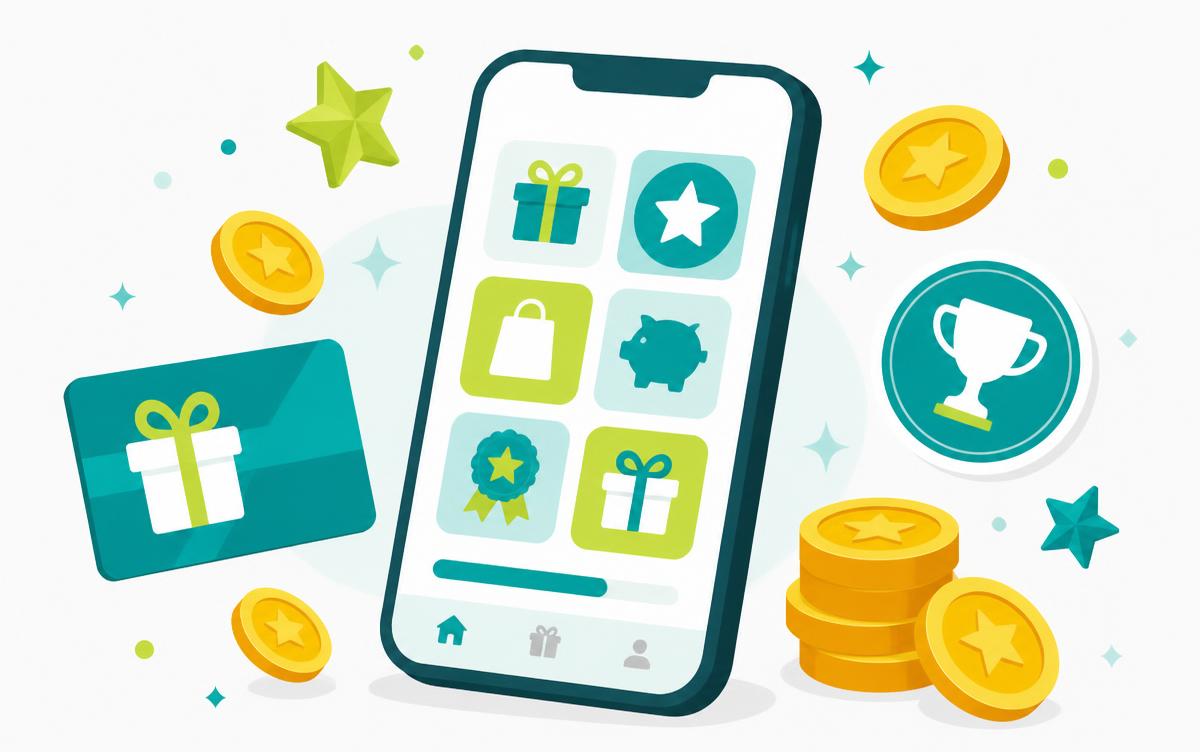
An offerwall is a screen inside a rewards platform that lists third-party offers, such as app installs, account signups, free trials, or in-game achievements, each paying a set amount when you complete the specific action the advertiser requires.
Offerwalls are the single biggest earning driver on most current platforms including Freecash, GG2U, and Cointiply, and also the single biggest source of user complaints, because completed offers frequently fail to credit due to tracking issues rather than platform dishonesty.
How offerwall tracking actually works
When you click an offer, the platform generates a unique tracking link containing your user ID and a click identifier, then hands you off to the advertiser's landing page or app store listing through that link.
As you complete the required action, whether that is finishing a signup form, reaching level 10 in a game, or making a qualifying purchase, the advertiser's own tracking system is supposed to fire a "postback," a small server-to-server message confirming completion, back to the offerwall network, which then confirms it to the platform, which then credits your account.
That chain has at least four links: your device, the advertiser's tracking pixel or SDK, the offerwall network's server, and the platform's own backend.
A failure at any point breaks the credit, and none of those failures are necessarily the platform's fault.
This is why the same offer can pay reliably for one user and fail entirely for another using a different browser or device.
The most common reasons offers fail to credit
- Ad blockers or privacy browser extensions blocking the tracking pixel from firing, which is by far the most common cause. Many offerwalls explicitly warn to disable ad blockers before starting an offer.
- VPN or proxy use changing your apparent location mid-session, which can mismatch the offer's targeting rules and void the conversion even if you completed every required step.
- Closing the app or browser tab before the confirmation screen or before an SDK has had time to report the completion event, particularly on mobile game offers that require a session to stay open briefly after finishing the milestone.
- Not meeting the exact requirement stated, such as reaching a specific level rather than just installing the app, or completing a purchase within a required time window rather than just browsing.
- Using a device or account that the advertiser's fraud system flags as suspicious, sometimes triggered by having too many reward apps installed at once or by resetting device IDs frequently.
- Duplicate account detection, where the advertiser has already paid a bounty for that email, device, or household through a different platform or a previous account.
What to do before starting any offer
Read the full requirement text before clicking, not just the headline reward amount.
Offers phrased as "reach level 15" or "complete tutorial and level 5" mean exactly that; installing the app alone will not trigger payment.
Screenshot or note the exact time you start, which helps if you need to file a support ticket referencing timestamps.
Disable ad blockers and VPNs for the specific session, and avoid switching networks midway through, such as moving from wifi to mobile data.
Keep the app or tab active in the foreground when possible rather than backgrounding it immediately.
What to do if an offer does not credit
Most platforms have a specific offerwall support or "missing offer" ticket process, separate from general support, because the offerwall network itself (rather than the reward platform) needs to investigate the advertiser's tracking log.
Submit a ticket with your username, the offer name, the network it came through if shown, the date and time, and any proof of completion such as a screenshot of an in-game achievement or a confirmation email from the advertiser.
Response times vary from a few days to several weeks, since the offerwall network has to manually check the advertiser's server logs.
Platforms with a reputation for resolving these tickets promptly, mentioned frequently across earning communities, include Freecash and GG2U, both of which run multiple offerwall networks side by side so a failed credit on one network does not block your access to others.
Why platforms run multiple offerwall networks
No single offerwall network has exclusive access to every advertiser, and different networks negotiate different rates for the same underlying offer.
A platform that only integrates one offerwall network limits your available offers and pay rates to whatever that single network provides.
Platforms like Freecash, Cointiply, and Idle-Empire integrate several networks (commonly including names like AdGate Media, OfferToro, and Torox among others) simultaneously, letting you compare payouts for similar offers across networks and pick the best paying version, and giving you a fallback if one network's offers are misbehaving on your device.
How to pick good offers instead of wasting time
Favor offers with clear, short completion paths over vague or long ones.
A "sign up with email, verify, done" offer paying 0.50 dollars is more reliable than a "reach level 40 over 10 days" offer paying 4 dollars, unless you already intend to play that specific game anyway.
If you are specifically working through mobile game offers, our dedicated guide on game offers covers which categories of game offer tend to convert reliably versus which ones commonly fail.
Check user-reported reliability where available; some platforms display a completion rate or user rating next to each offer, which is a useful signal before committing real time.
Avoid offers requiring a credit card trial unless you are comfortable managing the cancellation date yourself, since these convert well for payout but carry real financial risk if forgotten.
Offerwalls versus surveys versus straight PTC
Offerwalls generally pay more per completed action than surveys or PTC ad clicks, but with higher variance in whether that payment actually lands, since surveys pay on completion within the platform itself with no external advertiser tracking chain involved, and PTC ads pay near-instantly for the click itself.
For a full comparison of how these categories stack up on pay rate and effort, see PTC vs GPT sites and our broader explainer on GPT vs survey vs cashback sites.
Practical routine for using offerwalls well
Pick two or three platforms with multiple offerwall network integrations rather than spreading across many single-network sites.
Skim available offers daily rather than committing to long multi-day offers unless the payout clearly justifies the time.
Keep a simple note of which offers you have started, with dates, so you can follow up quickly if a credit does not appear within the stated window, typically 24 hours to a few weeks depending on the offer type.
Treat failed credits as a normal part of the process rather than a sign of a scam platform, since the underlying cause is almost always a broken tracking link rather than deliberate withholding, and file support tickets promptly with the details noted above.
You can compare offerwall-heavy platforms directly in our platform directory.
A worked example of a completion chain failing
Consider a simple case: a user clicks a signup offer paying 0.75 dollars, completes the registration form, verifies their email, and sees a confirmation page from the advertiser.
Two days later the offer still shows as pending on the platform.
The likely explanation is that the advertiser's postback fired correctly to the offerwall network, but the network's own confirmation to the platform was delayed in a batch processing queue, which is common for lower-value offers that are not individually reviewed in real time.
In this case, waiting the full stated window, often up to two weeks for offers involving account verification steps, resolves the issue without any ticket needed.
Contrast this with a case where the user had an ad blocker active during signup, which most likely prevented the advertiser's own tracking pixel from ever firing in the first place, meaning no postback was ever sent and the credit will never arrive without a manually reviewed support ticket and proof of completion.
Provider notes on offerwall networks
- AdGate Media: a widely integrated network covering signups, app installs, and surveys, generally considered reliable for tracking across major platforms.
- OfferToro: strong in app install and game offers, commonly available on Freecash and similar multi-network platforms.
- Torox: often used for a mix of trial offers and lead generation forms, with payouts that vary noticeably by region.
- Platform-specific in-house walls: some platforms run their own smaller offerwall alongside third-party networks, usually with a narrower but sometimes higher-paying selection.
Because rates for the same offer can differ across networks, checking whether your platform surfaces the network name next to each offer is useful both for judging reliability and for filing a more specific support ticket if something goes wrong.
Device and browser considerations for reliable tracking
Use a standard browser without aggressive privacy extensions active during the offer itself, even if you normally browse with those extensions on, since many of them silently block the tracking pixels offerwalls depend on.
On mobile, complete app-based offers within the device's default browser or the offerwall's own in-app browser rather than a separate privacy-focused browser app, since SDK-based tracking is more reliable in the environment the offer was designed for.
Clearing cookies mid-session, switching between wifi and mobile data, or logging into two platforms simultaneously in different tabs while doing the same offer can all interfere with the click identifier the tracking chain depends on.
A simple earnings table across offer types
| Offer type | Typical time | Typical payout | Credit reliability |
|---|---|---|---|
| Simple email signup | 2 to 5 minutes | 0.25 to 1 dollar | high |
| App install with milestone | 20 minutes to several hours | 1 to 10 dollars | medium |
| Trial subscription | 5 to 10 minutes plus a cancellation step | 2 to 15 dollars | medium, contingent on timing |
| Survey routed through an offerwall | 10 to 20 minutes | 0.50 to 3 dollars | high |
Frequently asked questions
Why did my completed offer not show up as credited? Most commonly an ad blocker, VPN, or browser privacy setting blocked the tracking pixel from firing, or the specific requirement (such as reaching a certain level rather than just installing) was not fully met. Submit a missing offer ticket with timestamps and proof of completion.
Are offerwalls safe to use? Established offerwall networks integrated into reputable platforms are generally safe for signups and app installs, but be cautious with credit card trial offers and always understand the cancellation terms before starting one.
How long does it take for an offer to credit after completion? This varies widely, from instant for simple app opens to several weeks for offers requiring a purchase or extended in-game activity, since the advertiser has to confirm the action before the network reports it back.
Should I use a VPN while completing offers? No, VPN use frequently causes tracking mismatches that void the conversion even after you have fully completed the required action, since your apparent location no longer matches the offer's targeting.
Why do the same offers pay different amounts on different platforms? Platforms integrate different offerwall networks, and each network negotiates its own rate with advertisers, so the same underlying offer can appear at different payouts depending on which network is serving it on that particular platform.
Can clearing my browser cache cause a completed offer to fail? Yes, in some cases. Clearing cookies mid-session can remove the click identifier the tracking chain depends on to match your completion back to your account, which is why it is best to avoid clearing cache or cookies until an offer has fully credited.
Is it normal for higher paying offers to take longer to credit? Generally yes, since higher payouts usually correspond to more involved requirements, such as reaching a deeper milestone or completing a purchase, each of which adds a confirmation step on the advertiser's side before the postback fires.
Building a support ticket that actually gets resolved
When a missing offer credit needs following up, the quality of the ticket you submit has a real effect on how quickly it gets resolved.
Include your account username exactly as registered, the precise offer name as shown on the wall, the offerwall network name if the platform displays one next to the offer, the date and approximate time you started and completed the requirement, and any screenshot evidence such as an in-game level indicator, a confirmation email, or an account dashboard showing the completed action.
Vague tickets that simply say an offer did not pay, without these specifics, take longer to investigate because support staff have to ask for the same details before they can even begin checking the advertiser's logs.
Keeping a simple running note of offers you start, with timestamps, turns this from a frustrating afterthought into a five minute task whenever a ticket is actually needed.